
 For medical assistants (MAs) and practical nurses (PNs), hospitals provide opportunities to make a real impact every day, offering variety, teamwork, and continuous learning while caring for patients with diverse needs. Prism Career Institute’s Practical Nursing and Medical Assistant programs offered near you in Philadelphia, Pennsylvania, Cherry Hill, New Jersey, or West Atlantic City, New Jersey, deliver the training and experience you need to succeed in this fast-paced, high-demand setting. Here, we explore what it’s like to work in one of the most challenging yet meaningful healthcare facilities.
Discover Your Role: Working in a Hospital
Hospitals are made up of diverse teams, each playing a vital role in ensuring patients receive timely, high-quality care. From clinical positions to administrative roles, every person contributes to the overall patient experience. These roles often intersect, requiring clear communication and teamwork between departments. For MAs and PNs, hospitals offer opportunities to build advanced skills while working alongside other experienced healthcare professionals.
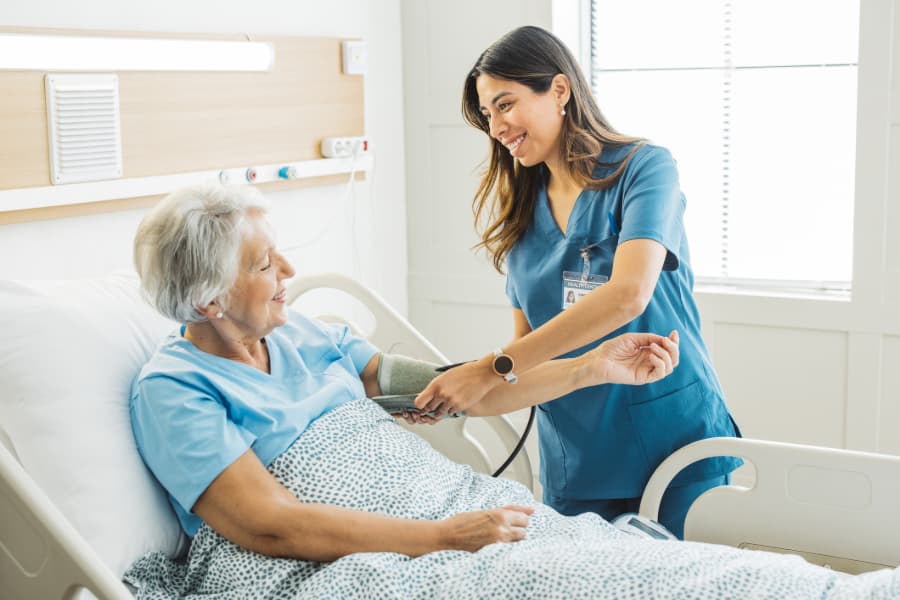
The specific duties of an MA or PN depend on several factors, but they typically follow the same pattern. MAs often handle clinical tasks, such as preparing patients for exams, taking vital signs, and updating electronic health records (EHRs), while PNs provide direct patient care and assist physicians during treatments. Throughout the day, both roles interact with patients, nurses, and doctors to keep care flowing smoothly.
Performing duties in a hospital setting, however, means adaptability. No two days are ever the same. Each shift brings a new mix of patients, priorities, and challenges that require quick thinking, problem-solving, and flexibility. One moment may be scheduled and structured, while the next demands immediate action and taking the initiative. This constant change keeps the work dynamic, pushing MAs and PNs to learn and grow in real time, which can lead to specialization or leadership roles in the future.
Comparing Work Environments: What’s the Difference Between Hospitals and Clinics?
Choosing between working in a hospital and a clinic depends on your career goals and preferred pace. Both settings offer unique advantages, but understanding how they differ can help you make the right decision. The biggest differences include:
- Type of care: Hospitals are fast-paced and handle a wide range of patient needs, including emergencies and complex cases. Clinics typically focus on scheduled appointments and preventive care, creating a more predictable workflow.
- Hours and scheduling: Hospital roles often involve rotating shifts, including nights and weekends, to provide 24/7 care. Clinics generally offer daytime hours, which can be appealing to those seeking a consistent schedule, working 9 to 5 or similar hours.
- Patient volume and acuity: Hospitals manage higher patient volumes and more acute conditions, while clinics see patients with routine or chronic care needs.
If you choose to work in a hospital, you’ll gain exposure to diverse cases, develop advanced skills, and work as part of a large interdisciplinary team. The predictable hours in a clinical setting allow for the development of long-term relationships with patients. If you thrive in a rapidly changing environment and enjoy variety, hospitals may be the right fit. If you prefer stability and deeper patient connections, a clinic could be a better choice.
Skills for Success: What Does It Take to Thrive in a Hospital?
To thrive in hospital settings, both MAs and PNs need a strong mix of technical and interpersonal skills. Professionalism and empathy are equally important, as patients often arrive in stressful situations and rely on compassionate support.
Essential skills needed to excel in demanding medical settings like hospitals include:
- Clinical skills: MAs and PNs should be proficient in medical procedures, patient assessment, and healthcare technology to ensure accurate documentation and smooth workflows for healthcare teams.
- Soft skills: Teamwork, attention to detail, and flexibility are critical for coordinating care and adapting to changing priorities throughout the day.
- Effective communication: Sharing information clearly and accurately with other members of the medical team is critical for smooth collaboration and patient safety.
- Calm under pressure: Hospitals can present urgent situations, so maintaining composure and prioritizing patient safety are key to thriving in this environment.
- Time management: Balancing multiple tasks is common when working in a hospital. Healthcare professionals must be able to do this efficiently without compromising attention to detail or patient care.
- Emotional resilience: Maintaining compassion and professionalism helps medical staff manage the emotional demands of hospital work.
- Problem-solving: Quickly identifying challenges and implementing solutions keeps operations moving forward and helps keep patient outcomes positive.
Prism Career Institute prepares students for hospital employment through our career-focused programs. The curriculum of our Medical Assistant and Practical Nursing programs combines classroom instruction with hands-on training and clinical externships (MA program only), giving you real-world experience that builds confidence and skill.
Get Ready to Work in a Hospital with Prism Career Institute
Working in a hospital is challenging and often unpredictable, but it is also highly rewarding, which is why it’s a common landing spot for MAs and PNs. If you believe working in a hospital is right for you, gain the skills needed by enrolling in our Medical Assistant or Practical Nursing program. With career services and financial aid for eligible students, you’ll have support every step of the way, from graduation to employment in high-demand hospital roles. Contact us today to speak with admissions or apply online for enrollment at our NJ or PA campuses.